Gear guide
Dog First-Aid Kit for Trips and Cabin Stays: What to Carry
Build or buy a kit around what veterinary sources say it should hold, then check the contents against your dog and your destination.
By Paws & Passage Editors · Last reviewed 2026-11-16 · 14 min read

A kit buys you time, not a cure
A first-aid kit is for the minutes between something going wrong and a veterinarian taking over. The American Veterinary Medical Association says it directly: first aid care is not a substitute for veterinary care, but it may save a pet's life until you can get them veterinary care. [1]
That framing shapes everything below. A good travel kit helps you control bleeding, protect a wound, stay safe around a frightened dog, reach the right phone numbers, and get to a clinic. It does not let you diagnose or treat a serious problem yourself.
This guide covers what a kit should contain, how the ready-made options compare on their listed contents, and which individual items are worth adding for cabin stays and road trips. Nothing here is veterinary advice. Your own vet knows your dog's weight, age, conditions and medications, so ask them what to add or leave out and whether any medication belongs in your kit at all.
Where this list comes from
The core list follows the AVMA's pet first-aid brochure and its kit checklist. [1] We cross-checked it against the ASPCA's poison control page [2] and several published kit guides written for pet owners. [3] [4] [5]
Where those sources disagree, we lean toward the more cautious position and say so. Product details come only from each maker's own page. Paws & Passage has not tested any of these products, and we do not give prices or ratings because both change.
The AVMA kit checklist, item by item
The AVMA checklist is short and practical. It also notes that many items in a family first-aid kit can be used for pets, and that your veterinarian may recommend additional items based on your pet's medical condition. [1]
Information and contacts
- Important phone numbers: your veterinarian, an emergency hospital, poison control, animal control and a non-emergency police line.
- A copy of your pet's medical record, including any medications your pet is receiving.
Paper and a photo on your phone both work. For a trip, add the name and number of an emergency clinic near where you are staying. The AVMA brochure includes a fill-in emergency information page for exactly this purpose. [1]
Wound and bandage supplies
- Gauze roll for wrapping wounds or muzzling an injured animal.
- Nonstick bandages or strips of clean cloth to control bleeding or protect wounds.
- Self-adhering, nonstick tape for bandages, plus adhesive tape for securing bandages.
- Scissors with blunt ends for safely cutting bandage materials.
- Clean towels for restraining cats, cleaning or padding.
- Saline solution for cleansing wounds or flushing eyes. The AVMA notes that saline sold for contact lenses works well for most purposes.
- Sterile lubricating jelly to protect wounds or eyes.
Tools
- Digital thermometer.
- Tweezers for removing small foreign objects.
- Eye dropper or a large syringe without a needle, to give oral treatments or flush wounds.
- Small flashlight for examining eyes and wounds.
- Disposable gloves to protect your hands.
- Spare leash and collar.
- Muzzle to prevent bites. The AVMA adds a warning: do not muzzle a pet who is vomiting.
Items with conditions attached
The AVMA lists activated charcoal and 3% hydrogen peroxide, but with firm limits. Charcoal is to be used only if instructed by your veterinarian or a poison control center. Peroxide is for inducing vomiting only after contacting your veterinarian or poison control, with no more than one dose unless instructed, and it should not be used on wounds. [1]
The same brochure says not to try to induce vomiting or give any medication to a poisoned pet unless directed to by a veterinarian or poison control center. That is why this guide treats those two items as things to discuss with your vet before the trip, not things to reach for on your own.
Poison control and emergency numbers
Write these into the kit and save them in your phone. The AVMA brochure lists ASPCA Poison Control at 888-426-4435 and Pet Poison Helpline at 855-764-7661, and says a consultation fee may apply to either call. [1] The ASPCA's own page gives the same number and says a consultation fee may apply. [2]
If your dog may have swallowed or touched something harmful, the AVMA says to call your veterinarian, a local hospital or one of those hotlines right away, keep the product or container available for reference, and collect any vomited or chewed material in a sealed plastic bag to take along. [1]
Cabin and rental stays add a few poisoning risks that are easy to overlook: cleaning products under sinks, rodent bait in outbuildings, and human medications left on a nightstand. Our cabin packing list covers the broader gear side of a stay, and the rental checklist covers what to confirm with the host.
What changes when you travel
Pack for the trip you are actually taking
A kit that lives in a hallway cupboard is not a travel kit. One veterinary-written guide splits its list into a full home kit and a smaller kit marked for car trips, hiking and camping. [5] Another suggests a larger evacuation-style kit adds travel bowls, a leash and collar, towels or a blanket, a soft muzzle, and a pill organizer with a supply of medications. [4]
Think about three layers:
- The cabin or rental. Full kit, stored where every adult in the group can find it.
- The car. A smaller grab kit, kept somewhere that does not bake in summer or freeze in winter.
- The trail. A compact kit on you or your dog's pack, with the essentials for wound care and getting out.
Map your emergency options before you arrive
Rural cabins are often far from a clinic. Before you leave, look up the nearest emergency veterinary hospital to your accommodation, check whether it takes walk-ins, and save the number. One kit guide advises finding the nearest emergency clinic when traveling out of state. [4] The trip checklist has room for these tasks, and the host-question tool can help you ask your host about nearby vets.
Medications and records
Bring your dog's regular medications in the original labeled containers, with a bit of extra supply if your vet agrees. Ask your vet about any other medication before you pack it. The AVMA says not to give any medication to a poisoned pet unless directed by a veterinarian or poison control. [1]
Do not give your dog human medication on your own initiative. Several of the general kit guides list human antihistamines, pain relievers or ointments, and they do not agree on products or amounts. One camping-focused guide says not to give human over-the-counter painkillers such as ibuprofen, acetaminophen or aspirin unless your vet says otherwise. It separately lists dog-specific prescription pain medications and says to check with a vet first, including about dosage. [6] We list no doses here because the right answer depends on your dog.
Heat, cold and the outdoors
The AVMA lists signs of heatstroke including rapid breathing or heavy panting, excessive drooling, weakness or drowsiness, confusion, vomiting or diarrhea, and abnormally colored, dry or sticky gums. Its guidance is to get to the closest veterinary hospital as soon as possible and begin cooling right away: move the dog out of direct sun, place towels wetted with room-temperature water around the neck, armpits and groin, and use a fan if one is available. It warns against putting the dog in a tub of cool or cold water, which can make the condition worse. [1]
Towels, a collapsible bowl and bottled water earn their place in a travel kit for that reason, even though they are not medical supplies.
Ready-made kit or build your own?
Both approaches work, and the best answer is often a hybrid.
Why buy a kit. You get the basic bandaging supplies in one organized, often waterproof case, and you are less likely to leave the house without them.
Why add to it. One veterinary-written guide recommends buying a pre-made travel kit but supplementing it, because many pre-made kits lack necessary items. [5] A travel-blog guide similarly notes that a custom kit may suit a dog better than a pre-assembled one. [7]
When you compare any kit to the AVMA list above, check for the gaps. Most listings do not mention a digital thermometer, contact numbers, or your dog's records. Those you will usually add yourself.
How the ready-made kits compare
These are the kits we picked, based on the criteria in the next section. Contents below come from each maker's page on 2026-11-16 and can change, so read the current listing before you buy.
Adventure Medical Kits: Me & My Dog
This is the larger of the two Adventure Medical Kits options. The maker lists wound-care dressings, bandages, a cold pack, a 10 cc irrigation tool, forceps for splinters and ticks, EMT shears, gloves, a nylon leash, an emergency blanket and a copy of Wilderness & Travel Medicine: A Comprehensive Guide, packed in two waterproof bags. The page's feature text also mentions a pet first aid manual that its contents list does not show, so confirm what arrives. [8]
It also lists human-use medications, including aspirin, diphenhydramine and 3% hydrogen peroxide. Given the AVMA's position on medications and vomiting, treat those items as a conversation to have with your vet. Ask whether they belong in your kit, what is appropriate for your dog, and whether you would rather remove them. Do not use them on your own judgment.
Adventure Medical Kits: Trail Dog
The maker lists a smaller, dog-focused kit at 12 oz, with gauze, a self-adhering bandage, a triangular bandage, an irrigation tool, tick forceps, saline and a pet first aid handbook in a waterproof bag. [9] It lists fewer items than Me & My Dog, which suits a day pack, but it also lists diphenhydramine and hydrogen peroxide, with the same caution applying.
Kurgo: Dog First Aid Kit
Kurgo's listing names parachute cord, a first aid guide, tweezers, tape, a crepe bandage, gauze pads and rolls, a trauma pad, scissors, an instant cold pack, gloves, an emergency blanket and antiseptic wipes in a zippered case with interior mesh compartments. [10] The listing gives item types without quantities, and it does not state weight or dimensions, so check the product details against how much room you have.
Kurgo: RSG Dog First Aid Kit
This is a smaller, MOLLE-compatible version designed to attach to the maker's RSG harnesses and utility belt, with a contents list very close to the larger Kurgo kit. [11] It suits a trail kit better than a cabin kit.
An add-on worth considering: a basket muzzle
The AVMA tells owners to apply a muzzle if a pet threatens to bite, because pain and fear can make even the gentlest pet unpredictable. [1] Gauze or a triangular bandage can serve as an improvised muzzle, and the Adventure Medical Kits pages say their triangular bandage can double as one. A purpose-made muzzle fitted in advance is another option.
The Baskerville Ultra is a basket-style muzzle made of thermoplastic rubber. Its maker says the basket lets a dog pant, drink and take treats, and that it can be heat-shaped for fit. The maker also says it is not recommended for extended periods unless necessary, that the dog should be supervised, and that sizing is by nose length and circumference. [12] Remember the AVMA's warning not to muzzle a vomiting pet. Practice with the muzzle at home, with treats, long before you ever need it.
How we choose and how this site earns money
We pick products by criteria: whether the maker's own page lists the item types that the AVMA checklist and other sources describe, whether the listing is specific about contents, whether the product is a real, currently listed item, and how well it fits a particular kind of trip. We rely on maker specifications and independent standards such as the AVMA checklist. We do not tell you a kit is better because of testing, because we have not tested these products.
Some links on this site may become affiliate links in future. If you buy through one, Paws & Passage may earn a commission at no extra cost to you. No affiliate link is active on this page at the time of writing, and a commission would never change what we recommend. See our affiliate disclosure for how this works.
Pick by situation
| Your situation | What to prioritize | Option from this guide |
|---|---|---|
| A week at a rural cabin, long drive | Full kit kept at the cabin, vet and poison numbers on the fridge | Me & My Dog, then add your own thermometer, records and contacts |
| Day hikes from the cabin | Light kit that goes on you or the dog's pack | Trail Dog, or the Kurgo RSG kit if you use a compatible harness |
| Road trip with stops, no hiking | A single zippered kit for the car | Kurgo Dog First Aid Kit |
| Nervous or reactive dog, strangers may help | A fitted muzzle introduced well before the trip | Baskerville Ultra, if the maker's sizing and use notes suit your dog |
| Dog on regular medication | Original-labeled medication, a records copy, and your vet's advice | Any kit, plus your vet's guidance |
| Two or more dogs | Duplicate key items, since one kit may not stretch | See our two-dog guide |
Pair these choices with the gear and planning advice in our fenced-yard rental guide, since a secure yard prevents some emergencies altogether.
Add-ons that are usually worth carrying
Beyond the kit itself, the sources we read mention a number of items that cost little and weigh little:
- A thermometer and lubricant, since the AVMA checklist includes a digital thermometer. [1] Ask your vet how to take a temperature and what readings should prompt a call.
- An instant cold pack and a foil emergency blanket. Both appear in the veterinary-written lists. [4]
- A flashlight or headlamp, listed by the AVMA for examining eyes and wounds. [1]
- Styptic product for nail bleeding. Several guides list it. One notes the product it names contains benzocaine and that it is for mild bleeding. [3] Ask your vet whether and which product suits your dog.
- A tick remover. Tweezers are on the AVMA list, and the Adventure Medical Kits pages list splinter/tick forceps. Ask your vet about tick removal and checking for tick-borne illness in your destination.
- A syringe without a needle, for flushing wounds or giving oral treatments, as the AVMA lists. [1]
Things to leave out unless your vet says otherwise
- Hydrogen peroxide for cleaning wounds. The AVMA says not to use it on wounds, and a travel guide we read says vets advise against it for that purpose. [1] [7]
- Any antibiotic ointment you have not cleared with your vet. One guide warns that triple antibiotic ointment should not be ingested by cats, because its polymyxin B can cause anaphylaxis in cats, and says not to let a cat lick the site; ask your vet what applies to your dog. [5]
- Human painkillers, as noted above. [6]
- Anything you do not know how to use. A poorly applied bandage or splint can do more harm than good, and the AVMA says to leave the step to the veterinarian if you are uncertain. [1]
Learn the basics before you need them
A kit is only useful if someone can use it calmly. The AVMA brochure covers bleeding, heatstroke, choking, seizures, injuries, poisoning and rescue breathing, and it is a sensible thing to read before the trip. [1] A few of its points are worth knowing in advance:
- For a bleeding wound, apply firm pressure with a clean cloth or towel for at least three minutes before checking, and if blood soaks through, add layers rather than removing the first one.
- For a seizure, do not restrain the pet or put your hands near the mouth; time it and, if possible, record video for your vet.
- If there is an object in a wound, do not try to remove it.
- When transporting an injured dog, keep them confined to a small area, and use a board or blanket as a stretcher for a large dog.
A pet first-aid class taught by a veterinary professional can teach the practical parts better than any article. Ask your vet whether they run one or know of one nearby.
Keep the kit current
Check the kit before every trip. Replace anything used, damaged or past its expiry date. One list recommends reviewing the kit every six months, and another says every few months. [3] [4]
A quick pre-trip pass:
- Vet, emergency clinic near the destination, and both poison control numbers saved and written down.
- Medical records and medication list copied.
- Bandage supplies restocked and sealed.
- Muzzle fits and your dog has practiced wearing it.
- Thermometer works, batteries are fresh and the flashlight lights.
- Anything medicinal has been reviewed with your vet and is within date.
- Everyone traveling knows where the kit is.
Add these to your trip checklist so the kit gets packed with everything else.
Our picks
We haven't tested these products. They were chosen against the criteria above using the maker's published specifications and independent standards, which are linked for each one.
Cabin stays and longer trips where one kit covers the whole group
Adventure Medical Kits Adventure Dog Medical Kit: Me & My Dog
A larger kit for people and dogs, packed in two waterproof bags, with a general wilderness and travel medicine guide in its contents list; the feature text also mentions a pet first aid manual.
The maker lists a wide range of bandaging supplies, an irrigation tool, saline, tick forceps, shears, a leash and a Wilderness & Travel Medicine guide, in waterproof bags. The feature text also mentions a pet first aid manual, but the contents list does not. That covers many items on the AVMA checklist's wound-care side.
- Listed contents include adhesive bandages, sterile gauze dressings, non-adherent dressings, a 2 inch conforming gauze bandage, cloth tape, a self-adhering bandage, a triangular bandage and a cold pack
- Also lists a 10 cc wound irrigation tool, splinter/tick remover forceps, 4 inch EMT shears, latex-free gloves, safety pins, a 60 inch nylon leash and an emergency blanket
- Lists 100 ml saline solution, antiseptic and alcohol wipes, single-use triple antibiotic, 3% hydrogen peroxide (1 oz), diphenhydramine 25 mg and aspirin 325 mg
- Maker says it is housed in two waterproof DryFlex bags and that the triangular bandage can double as a muzzle
- Maker lists a 60-day satisfaction guarantee
Check before you buy
- Lists human-use medications (aspirin, diphenhydramine, 3% hydrogen peroxide). Ask your vet before relying on any of them, and do not use them on your own judgment.
- No thermometer, muzzle or contact card is listed; add your own.
- Written for people and dogs, so check which items are relevant to your dog.
- Weight and dimensions are not stated on the page.
Specs from Adventure Dog Medical Kit - Me & My Dog (Adventure Medical Kits, accessed 2026-11-16). Sizes, models and availability change: confirm on the seller's page.
Day hikes and car-side use with one dog
Adventure Medical Kits Adventure Dog Medical Kit: Trail Dog
A compact dog-focused kit in a waterproof bag with a pet first aid handbook, aimed by the maker at hiking, camping and travel.
The maker lists a stated weight of 12 oz, a waterproof bag, bandaging supplies, an irrigation tool, saline, tick forceps and a pet first aid handbook, which suits a small pack.
- Maker lists weight as 12 oz and size as 7.5 x 5.3 x 1.5 inches
- Listed contents include 2 sterile gauze dressings, 2 non-adherent gauze pads, a 2 inch roller gauze, a 2 inch self-adhering elastic bandage and a triangular bandage
- Also lists a 10 cc wound irrigation tool, splinter/tick remover forceps, 100 ml saline solution, 3 single-use triple antibiotic packets, 3% hydrogen peroxide (1 oz) and 2 diphenhydramine 25 mg tablets
- Includes a Pet First Aid Handbook; maker says the triangular bandage can serve as a muzzle during treatment
- Packed in a waterproof Dryflex bag
Check before you buy
- Lists diphenhydramine and hydrogen peroxide. The AVMA says not to give medication or induce vomiting unless directed by a vet or poison control.
- Fewer items than larger kits, with no thermometer, muzzle or flashlight listed.
- Quantities are small, so it may run out quickly with more than one dog.
Specs from Adventure Dog Medical Kit - Trail Dog (Adventure Medical Kits, accessed 2026-11-16). Sizes, models and availability change: confirm on the seller's page.
A general kit for the car or a rental stay
Kurgo Dog First Aid Kit
A zippered-case kit that the maker describes as a 50-piece kit with a first aid guide, with a hanging hook and interior mesh compartments.
The listing names bandage materials, gauze, a trauma pad, scissors, tweezers, gloves, a cold pack, an emergency blanket and a first aid guide in a zippered case with interior compartments. It does not list oral medications, which keeps the choice of medication with you and your vet.
- Listed contents: parachute cord, first aid guide, sting relief pads, tweezers, tape roll, 2 inch crepe bandage, cotton swabs, tongue depressors, antiseptic towelettes, instant cold pack, disposable rubber gloves
- Also lists 4 x 4 inch and 2 x 2 inch gauze pads, a 2 inch gauze roll, a 5 x 9 inch trauma pad, alcohol prep pads, a thermal foil emergency blanket, scissors and iodine prep pads
- Case is Oxford 600D fabric with an exterior zippered pocket and three interior mesh compartments
- Maker offers a lifetime guarantee against manufacturing defects and a 45-day return window
- The page lists item types without quantities and does not state weight or dimensions
Check before you buy
- Item types are listed without quantities, and the maker's 50-piece count cannot be matched to the list.
- Weight and dimensions are not stated.
- No thermometer, muzzle, saline or irrigation syringe is listed; add these yourself.
Specs from Dog First Aid Kit (Kurgo (PetSafe Brands), accessed 2026-11-16). Sizes, models and availability change: confirm on the seller's page.
Trail use with a compatible harness or belt
Kurgo RSG Dog First Aid Kit
A smaller MOLLE-compatible kit the maker designed to attach to its RSG harnesses and utility belt, with a similar contents list to Kurgo's larger kit.
It is a MOLLE-compatible kit the maker designed to attach to its RSG harnesses and utility belt, with a contents list similar to the larger Kurgo kit.
- Maker describes it as 49 pieces; the page lists about 20 line items
- Listed contents include parachute cord, first aid guide, sting relief pads, tweezers, a 2 inch crepe bandage, gauze pads and roll, a 5 x 9 inch trauma pad, an instant cold pack, an emergency blanket, scissors and iodine prep pads
- MOLLE-compatible with MOLLE clips or patches; designed to work with RSG harnesses and the Active Utility Belt
- Maker offers a lifetime guarantee against manufacturing defects and a 45-day return window
- The page does not state weight or dimensions
Check before you buy
- Designed for the maker's harness and belt system; check that your gear is compatible.
- Lists about 20 line items against a stated 49 pieces, and no weight or dimensions.
- No saline, irrigation syringe or thermometer is listed.
Specs from RSG Dog First Aid Kit (Kurgo (PetSafe Brands), accessed 2026-11-16). Sizes, models and availability change: confirm on the seller's page.
Dogs that may need a fitted muzzle for vet and groomer visits
Company of Animals Baskerville Ultra Muzzle
A basket-style dog muzzle made of thermoplastic rubber that the maker says can be heat-shaped to the dog's face.
The AVMA checklist includes a muzzle, and this basket design is described by its maker as letting a dog pant, drink and take treats. A muzzle that is already fitted and practiced is easier to use under stress.
- Maker says it is made of durable thermoplastic rubber (TPR) and is heat-shapable: soak in hot tap water for about 2 minutes, shape while warm, then cool in cold water to set
- Maker says the basket design lets the dog pant, drink and take treats while wearing it
- Maker lists vet and groomer visits among its intended uses
- Maker says it is not recommended for extended periods unless necessary, that the dog should be supervised, and that the shape may relax over time
- Sizing is by nose length and circumference using the maker's sizing guide
Check before you buy
- The maker says it is not for extended use unless necessary and that the dog should be supervised.
- Do not muzzle a vomiting dog, per the AVMA.
- Sizing is by nose length and circumference; the maker's sizing guide is the reference.
- The maker page cited here is its UK site, so check availability and sizing where you live.
Specs from Baskerville Ultra Muzzle (Company of Animals, accessed 2026-11-16). Sizes, models and availability change: confirm on the seller's page.
Questions people ask
What should be in a dog first-aid kit for travel?+
The AVMA checklist lists important phone numbers, your pet's medical record, a digital thermometer, a muzzle, a spare leash and collar, gauze, towels, nonstick bandages, bandage tape, blunt scissors, gloves, a flashlight, tweezers, an eye dropper or needleless syringe, sterile lubricating jelly and saline. For travel, add the nearest emergency clinic's number and ask your vet what else suits your dog.
Is a first-aid kit a substitute for a vet visit?+
No. The AVMA says first aid care is not a substitute for veterinary care. It may help until you can get your dog to a veterinarian, and it is sensible to call your vet or a local emergency hospital so they are ready when you arrive.
Who do I call if my dog may have eaten something harmful?+
Call your veterinarian, a local emergency hospital, or a poison hotline. The AVMA lists ASPCA Poison Control at 888-426-4435 and Pet Poison Helpline at 855-764-7661 and notes that a consultation fee may apply. Do not try to induce vomiting or give any medication unless a veterinarian or poison control directs you to.
Should I put human medication in my dog's first-aid kit?+
Only if your own vet advises it. Kit guides disagree on products and amounts, and the AVMA says not to give medication to a poisoned pet unless directed by a veterinarian or poison control. Ask your vet what, if anything, is appropriate for your dog's size and health.
Is a ready-made dog first-aid kit enough?+
It is a useful start, not a complete kit. One veterinary-written guide recommends supplementing pre-made travel kits because many lack necessary items. Compare the listed contents to the AVMA checklist and add your own contacts, records, thermometer and anything your vet recommends.
Should I muzzle an injured dog?+
The AVMA says to apply a muzzle if your pet threatens to bite, since pain and fear can make even a gentle pet unpredictable. It also says not to muzzle a pet who is vomiting. A muzzle should fit properly, so practice with it at home and ask your vet or a trainer for help.
Sources and how we researched this
Before writing, we reviewed 6 of the pages that currently rank for this topic, noted what they leave out, and checked facts against the official sources below. We haven't stayed at or inspected any property for this guide. Read our editorial standards.
- Pet First Aid brochure and kit checklist (2025) (American Veterinary Medical Association, accessed 2026-11-16)
- Animal Poison Control (ASPCA, accessed 2026-11-16)
- 10 Must-Have Items for Your Pet First-Aid Kit (PetMD, accessed 2026-11-16)
- Everything You Need in Your Pet's First Aid Kit (Small Door Veterinary, accessed 2026-11-16)
- What to Put in Your Pet's First-Aid Kit and Why (Preventive Vet, accessed 2026-11-16)
- Dog First Aid Kit Checklist (Mom Goes Camping, accessed 2026-11-16)
- What Should You Include in Your Dog's Travel First Aid Kit? (Pure Travel, accessed 2026-11-16)
- Adventure Dog Medical Kit - Me & My Dog (Adventure Medical Kits, accessed 2026-11-16)
- Adventure Dog Medical Kit - Trail Dog (Adventure Medical Kits, accessed 2026-11-16)
- Dog First Aid Kit (Kurgo (PetSafe Brands), accessed 2026-11-16)
- RSG Dog First Aid Kit (Kurgo (PetSafe Brands), accessed 2026-11-16)
- Baskerville Ultra Muzzle (Company of Animals, accessed 2026-11-16)
Keep reading
Checklist
What to Pack for a Dog-Friendly Cabin Vacation
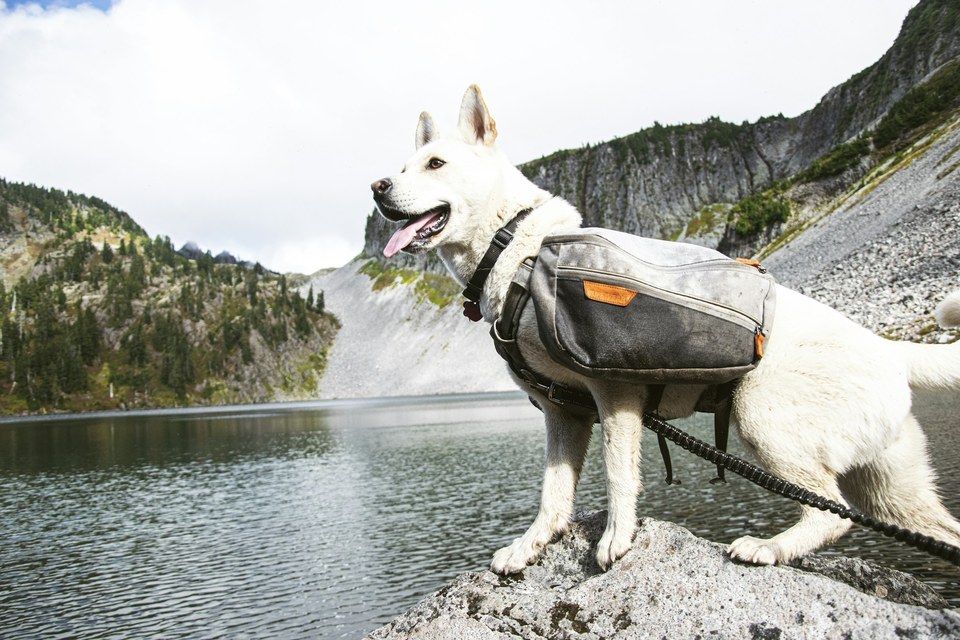
A practical packing list for muddy entrances, unfamiliar stairs, quiet nights, and the things a remote cabin cannot supply.
12 min read · Reviewed 2026-11-16
Checklist
What to Check Before Booking a Pet-Friendly Vacation Rental
A practical booking audit for the dogs you have, the trip you want, and the rules you can actually follow.
13 min read · Reviewed 2026-11-16
Planning
How to Find a Vacation Rental With a Truly Secure Fenced Yard
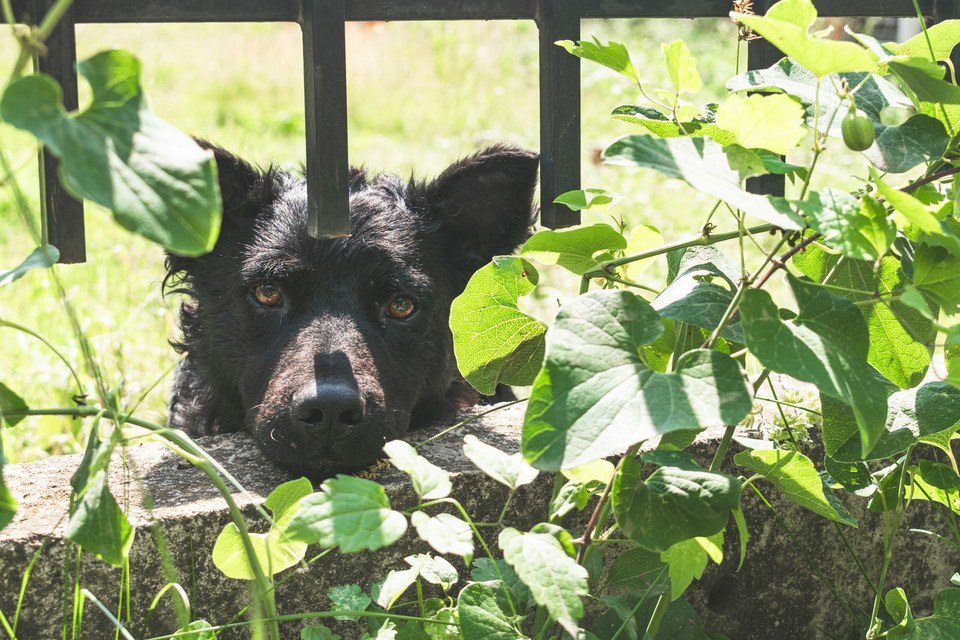
Look past the lawn photo: check the weakest boundary, the gate routine, and the evidence that matters for your dog.
11 min read · Reviewed 2026-11-16